
The Complete Guide to Battery Range, Performance, and Longevity
Introduction
Golf carts have become more than just vehicles for the fairway. They’re widely used in resorts, communities, industrial complexes, and even as eco-friendly local transportation. One of the most common questions new and experienced cart owners ask is:
👉 “How long does a golf cart battery last on one charge?”
The answer isn’t simple because it depends on several factors: the type of battery, how it’s maintained, the terrain you drive on, and even the weight of passengers and cargo. In this article, we’ll break down everything you need to know about golf cart battery runtime, compare lead-acid vs. lithium batteries, and share real-world tips to maximize performance.
1. Understanding Golf Cart Battery Basics
Before diving into charge duration, let’s cover the foundation.
1.1 Types of Golf Cart Batteries
-
Flooded Lead-Acid (Traditional) – Most common, affordable, but heavier and require maintenance.
-
AGM/Sealed Lead-Acid – Maintenance-free but more costly, slightly better efficiency.
-
Lithium-Ion (LiFePO4) – Lightweight, long lifespan, fast charging, highest efficiency.
1.2 Voltage Systems
Golf carts generally come in:
-
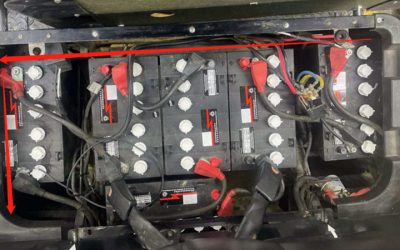
36V systems (6 x 6V batteries) – Found in older carts, shorter range.
-
48V systems (6 x 8V or 4 x 12V batteries) – Modern carts, more efficient.
-
72V systems (rare, performance-focused) – Provide maximum power and range.
2. Average Range Per Charge
2.1 Lead-Acid Golf Cart Batteries
-
Runtime per charge: 45–90 minutes continuous driving
-
Distance range: 15–25 miles
-
Best for: Flat courses, light recreational use
-
Limitations: Voltage drop as charge decreases, requiring frequent recharges
2.2 Lithium Golf Cart Batteries
-
Runtime per charge: 2–4 hours continuous driving
-
Distance range: 25–40+ miles
-
Best for: Long golf courses, hilly terrain, heavy-duty use
-
Advantages: Consistent power, lighter weight, faster charging
👉 Quick Comparison:
-
Lead-Acid: 15–25 miles per charge
-
Lithium: 25–40+ miles per charge
3. Factors That Affect How Long a Battery Lasts Per Charge
3.1 Terrain
-
Flat terrain → longer runtime
-
Hilly terrain → drains power faster
3.2 Weight Load
-
A fully loaded cart (4–6 passengers) drains power faster than one with just a driver.
-
Carrying tools, equipment, or luggage also reduces range.
3.3 Driving Habits
-
Smooth, steady driving conserves energy.
-
Frequent starts and stops or flooring the accelerator shortens battery life.
3.4 Accessories & Add-ons
-
Lights, sound systems, fans, GPS, and refrigerators all consume extra power.
-
Lithium batteries handle accessory loads better without performance drop.
3.5 Battery Age & Maintenance
-
A new lead-acid battery may run 20 miles per charge. After 3–4 years, that may drop to 10–12 miles.
-
Lithium batteries maintain 80%+ capacity even after thousands of cycles.
4. Real-World Examples
-
Golf Course Use (18 Holes)
A standard 48V lead-acid cart should last one full round (6–8 miles). A lithium-powered cart can easily last two or more rounds without recharging. -
Residential Community Use
Lead-acid carts often need charging every 2–3 days, depending on use. Lithium carts can last a full week on one charge for light driving. -
Industrial/Commercial Use
Heavy-duty lithium carts run 8–12 hours in a workday, while lead-acid carts often need mid-shift charging.
5. Extending Battery Range
5.1 For Lead-Acid Batteries
-
Charge after every use – don’t wait until fully drained.
-
Check water levels regularly and top off with distilled water.
-
Keep terminals clean to reduce resistance.
5.2 For Lithium Batteries
-
Avoid storing at 0% charge – keep between 20–80% for long-term storage.
-
Store in moderate temperatures (avoid extreme heat).
-
Use a compatible smart charger.
6. Cost vs. Performance: Is Lithium Worth It?
Lead-Acid
-
Initial Cost: $900–$1,500 for a set
-
Lifespan: 4–6 years
-
Range: 15–25 miles
Lithium
-
Initial Cost: $2,000–$3,500 for conversion or new set
-
Lifespan: 8–12+ years
-
Range: 25–40+ miles
👉 Verdict: If you use your cart daily or in commercial settings, lithium provides better value long-term.
7. Frequently Asked Questions
Q1: How many hours does a golf cart run on one charge?
-
Lead-acid: 1–1.5 hours continuous driving
-
Lithium: 2–4 hours continuous driving
Q2: How far can a 48V golf cart go?
-
Lead-acid: 15–25 miles
-
Lithium: 25–40+ miles
Q3: Should I fully drain my golf cart battery before recharging?
-
No. Both lead-acid and lithium last longer when recharged before hitting 0%.
Conclusion
So, how long do golf cart batteries last on one charge?
-
Lead-acid batteries: 15–25 miles, 45–90 minutes of runtime
-
Lithium batteries: 25–40+ miles, 2–4 hours of runtime
Ultimately, your cart’s range depends on battery type, terrain, weight load, and maintenance. For casual users on flat golf courses, lead-acid is often enough. For heavy users, hilly terrain, or commercial fleets, lithium delivers superior performance, efficiency, and lifespan.
If you want to maximize your ride’s runtime, maintain your batteries properly and consider upgrading to lithium for the longest-lasting performance.