If you’re choosing or upgrading a golf cart, one of the most common questions is whether to go with a 36V or 48V system. While both can get you around the course or neighborhood, they differ significantly in power, efficiency, speed, and overall performance.
This guide breaks down the real differences so you can decide which setup fits your needs.
⚡ What Does 36V vs 48V Mean?
The voltage of a golf cart refers to the total electrical potential supplied by its battery pack.
- 36V system → usually made of six 6V batteries
- 48V system → typically made of six 8V batteries or one lithium pack
Higher voltage doesn’t just mean “more power”—it changes how efficiently the entire system operates.
🔋 Key Differences Between 36V and 48V Golf Carts
1. Power & Performance
36V Golf Cart
- Adequate for flat terrain
- Slower acceleration
- Less torque when climbing hills
48V Golf Cart
- Stronger acceleration
- Better torque and hill-climbing ability
- Handles heavier loads (passengers, cargo)
👉 Winner: 48V
If you drive in hilly areas or carry multiple passengers, 48V is clearly better.
2. Speed
- 36V carts: typically 12–15 mph
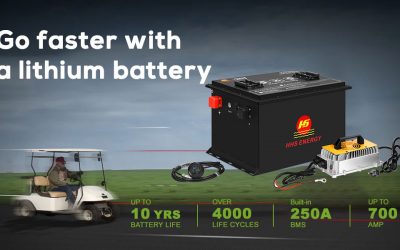
- 48V carts: typically 15–20 mph (or higher with upgrades)
Many carts from Club Car, E-Z-GO, and Yamaha now favor 48V systems for improved performance.
👉 Winner: 48V
3. Efficiency & Energy Use
Higher voltage systems draw less current to deliver the same power.
Why This Matters:
- Less heat generation
- Reduced energy loss
- Better overall efficiency
Result:
- 48V systems use energy more efficiently
- Batteries last longer per charge
👉 Winner: 48V
4. Driving Range
Range depends on battery capacity, but generally:
- 36V: shorter runtime
- 48V: longer range with the same Ah rating
Especially with lithium batteries, 48V systems can deliver:
- 25–50 miles per charge (depending on setup)
👉 Winner: 48V
5. Battery Configuration
36V Setup
- 6 × 6V batteries (lead-acid)
- Older system design
48V Setup
- 6 × 8V batteries OR
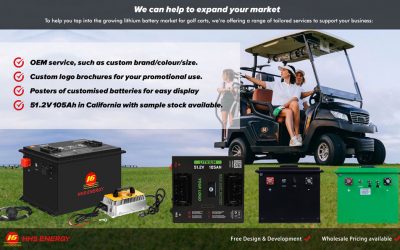
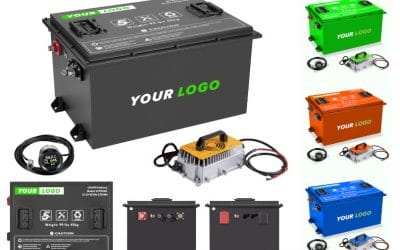
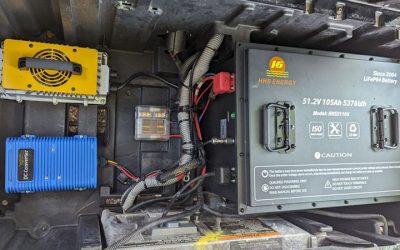
- Single lithium battery (e.g., 48V 100Ah)
Modern lithium systems from brands like:
- ECO Battery
- Bolt Energy
- ROYPOW
- Allied Lithium
- HHS Golf Energy
are typically built around 48V systems, not 36V.
6. Cost Comparison
36V System
- Lower upfront cost
- Cheaper batteries
- Lower upgrade cost
48V System
- Higher initial cost
- Better long-term value
- Lower maintenance (especially lithium)
👉 Short-term: 36V is cheaper
👉 Long-term: 48V is more cost-efficient
7. Maintenance & Longevity
Both systems require maintenance if using lead-acid batteries.
However:
- 48V systems (especially lithium)
- Last longer
- Require less maintenance
- Perform more consistently
📊 Quick Comparison Table
| Feature | 36V Golf Cart | 48V Golf Cart |
|---|---|---|
| Power | Moderate | Strong |
| Speed | 12–15 mph | 15–20+ mph |
| Range | Shorter | Longer |
| Efficiency | Lower | Higher |
| Hill Performance | Limited | Excellent |
| Upgrade Potential | Limited | High |
| Initial Cost | Lower | Higher |
🧠 Which One Should You Choose?
Choose 36V If:
- You drive on flat terrain
- You use your cart occasionally
- You want the lowest upfront cost
Choose 48V If:
- You want better speed and acceleration
- You drive in neighborhoods or communities
- You need longer range
- You plan to upgrade to lithium
- You use your cart daily
🔋 Can You Convert 36V to 48V?
Yes, but it requires:
- Upgrading batteries
- Replacing controller
- Possibly upgrading motor and charger
For many users, it’s easier to upgrade directly to a 48V lithium battery system rather than modifying an old 36V setup.
🏁 Final Thoughts
The difference between a 36V and 48V golf cart comes down to performance vs cost.
- 36V is simple and affordable
- 48V is faster, stronger, and more efficient
In today’s market, 48V systems—especially with lithium batteries—are quickly becoming the new standard for golf carts used beyond the course.
If you want a future-proof setup with better performance and lower long-term costs, 48V is the smarter choice.