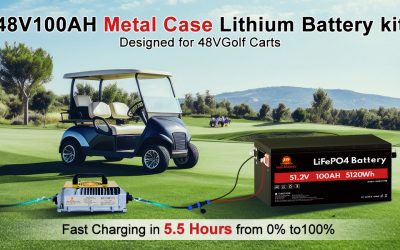
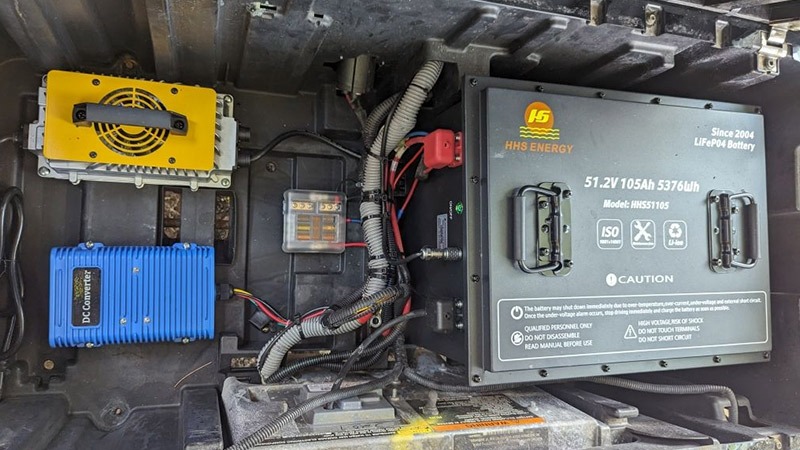
Replacing a golf cart battery is one of the most common maintenance expenses owners face — whether you’re restoring performance, upgrading to lithium power, or simply replacing an old, worn-out pack.
But how much does it actually cost to replace a golf cart battery?
The answer depends on several factors:
✔ Battery chemistry (lead-acid vs. LiFePO₄)
✔ Voltage system (36V, 48V, 72V, etc.)
✔ Capacity (Ah rating)
✔ Retail vs wholesale pricing
✔ Brand and warranty
✔ Installation costs
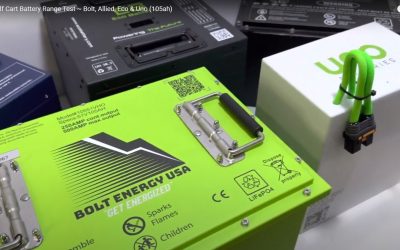
In this guide, we break down realistic price ranges, what affects cost, and how to pick the best option — including trusted golf cart lithium brands ECO Battery, Bolt Energy, ROYPOW, Allied Battery, and HHS Golf Energy.
💸 Typical Cost Ranges for Golf Cart Battery Replacement
🔋 Lead-Acid Battery Costs
These are the most affordable batteries upfront but wear out faster.
| Voltage System | Typical Price Range (Pair / Set) |
|---|---|
| 36V Lead-Acid | $500 – $900 |
| 48V Lead-Acid | $800 – $1,500 |
Lead-acid packs often require multiple batteries wired together, so total cost includes:
-
Batteries
-
Caps and connectors
-
Watering and maintenance tools
🔋 LiFePO₄ Lithium Battery Costs
LiFePO₄ lithium batteries cost more upfront but deliver longer life and better performance.
| Voltage System | Lithium Battery Range |
|---|---|
| 36V LiFePO₄ | $1,200 – $1,800 |
| 48V LiFePO₄ | $1,500 – $3,000+ |
| 72V LiFePO₄ | $2,000 – $4,000+ |
Lithium batteries deliver:
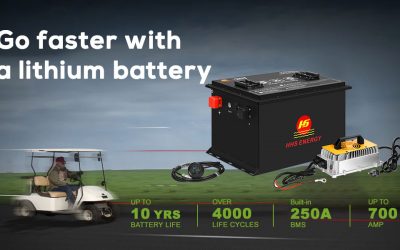
✔ ~3000-5000 cycle life
✔ 2–4× lifespan of lead-acid
✔ Lighter weight
✔ Maintenance-free operation
✔ Better torque and range
Popular lithium golf cart battery options include models from:
-
ECO Battery
-
Bolt Energy
-
ROYPOW
-
Allied Battery
-
HHS Golf Energy
🧠 Why Lithium Batteries Cost More
Although lithium batteries cost more upfront, they often cost less over time due to:
✅ Longer Lifespan
Most lithium packs — like those from HHS Golf Energy or ECO Battery — last 8-12 years, compared to 3-5 years for lead-acid.
✅ Higher Cycle Ratings
LiFePO₄ batteries can deliver 3000–5000+ cycles, versus ~500 cycles for lead-acid.
✅ Faster Charging
Lithium batteries charge faster, meaning less waiting time and more usability.
✅ Zero Maintenance
No watering, no acid spills, and no corrosion — saving time and service costs.
🧾 Example Cost Breakdown
Let’s break down typical real-world scenarios:
🔹 Example A — Basic Lead-Acid Replacement
-
6× 6V batteries (36V system) = ~$700
-
Installation shop labor = ~$80–$150
Total: ~$780–$850
🔹 Example B — Standard Lithium Upgrade
-
48V LiFePO₄ (100Ah) = ~$1,500
-
Charger upgrade (LiFePO₄ compatible) = ~$150
-
Installation = ~$100
Total: ~$1,750
🔹 Example C — High-Range Lithium Pack
-
48V LiFePO₄ (150–200Ah) = $2,200–$3,000+
-
Charger + monitoring system = $200
-
Installation labor = $80–$150
Total: ~$2,480–$3,350
📈 Installation Cost Considerations
If you’re having a shop install the battery, expect to pay:
| Service | Approximate Cost |
|---|---|
| Battery Removal | $50–$100 |
| Battery Installation | $50–$150 |
| Charger Rewiring | $40–$80 |
| System Testing & Calibration | $30–$60 |
DIY installation can save money but requires:
✔ Correct tools
✔ Proper wiring skills
✔ Correct charger setup
✔ Battery placement/racking knowledge
Most premium lithium battery kits — such as those from ECO Battery, ROYPOW, Bolt Energy, Allied, or HHS Golf Energy — include installation guides and pre-configured wiring to make DIY easy and safe.
⚡ Factors That Affect Golf Cart Battery Costs
🧩 1. Voltage System
-
36V systems are generally cheaper than 48V and 72V.
-
Higher voltage systems require more cells, increasing cost.
📊 2. Capacity (Ah Rating)
Higher Ah = more runtime = higher price.
100Ah < 150Ah < 200Ah
📦 3. Brand & Warranty
Premium brands typically offer:
✔ Longer warranties
✔ Better build quality
✔ More consistent performance
Brands like ECO Battery and HHS Golf Energy often carry longer warranty terms with more advanced safety systems.
🔌 4. Charger Compatibility
Upgrading to lithium usually means upgrading your charger — extra cost if not included.
💡 Should You Replace All Batteries at Once?
Yes. Golf cart batteries are connected in series, so replacing only one weak battery — especially in lead-acid packs — often results in imbalance that harms overall pack health.
For lithium, most kits are single large packs designed to replace a full series string.
🤔 Should I Go Lithium or Just Replace Lead-Acid?
Here’s a quick comparison:
📌 Lead-Acid
Pros:
-
Lower initial cost
-
Easy to find replacement batteries
Cons: -
Shorter lifespan
-
Heavy and high maintenance
-
Frequent replacements needed
📌 LiFePO₄ Lithium
Pros:
-
Long life
-
Fast charging
-
Lighter and consistent power
Cons: -
Higher upfront cost
-
Charger must be compatible
If your cart is used often (neighborhood driving, daily transport, utility use), lithium usually pays for itself over time.
🛠 Tips When Buying a Replacement Battery
✔ Confirm your golf cart’s voltage system
✔ Choose a reputable lithium brand
✔ Ensure the battery includes a proper BMS
✔ Use a compatible lithium charger
✔ Compare warranties and support
📌 Where to Buy
Reliable sources include:
✔ ECO Battery – High quality and innovative 48V LiFePO₄ packs
✔ Bolt Energy – Balances performance and price
✔ ROYPOW – Good reliability and robust design
✔ Allied Battery – Trusted for cart applications
✔ HHS Golf Energy – Designed for golf carts with good documentation and support
🧠 Final Thoughts
Replacing golf cart batteries doesn’t have to be expensive — but it can be a smart investment. While lead-acid packs are cheaper initially, lithium LiFePO₄ batteries from trusted brands offer:
✅ Longer range
✅ Lower maintenance
✅ Longer lifespan
✅ Better performance
In most cases, a quality lithium battery replacement actually saves money long-term while delivering superior performance and reliability.