
Lithium iron phosphate (LiFePO₄) technology has transformed the world of electric vehicles, solar storage, and especially lithium golf cart batteries. Among the many manufacturers leading this shift, HHS Golf Energy has become a standout brand — delivering high-performance 48V LiFePO₄ battery packs designed for golf carts, utility vehicles, and even road-legal conversions.
In this in-depth look, we’ll share five essential tips every buyer and user should know before choosing a LiFePO₄ battery — and explain how HHS Golf Energy’s LiFePO₄ batteries embody these key insights.
Tip #1: Understand Real Usable Capacity — It’s Not Just Rated Ah
When shopping for LiFePO₄ batteries, it’s tempting to focus only on the amp-hour (Ah) rating — but not all manufacturers are equal in usable output.
✔ Rated Capacity (e.g., 105Ah) is simply the manufacturer’s figure.
✔ Usable Capacity is how much energy you actually get before performance drops.
Why This Matters
Lead-acid batteries typically only let you use 50% of their rated capacity before serious damage occurs. In contrast, LiFePO₄ chemistry — like the chemistry used in HHS Golf Energy LiFePO₄ batteries — lets you safely use up to 90–100% of the pack’s capacity.
What this means in practice:
-
A 105Ah HHS battery often delivers nearly the same usable power as a 200Ah lead-acid setup.
-
Runtime and range are much increased without needing more batteries.
👉 Always compare usable capacity — not just the number on the label.
Tip #2: Smart BMS Is Just as Important as the Cells
LiFePO₄ technology is inherently safer than other lithium chemistries thanks to iron phosphate’s stable structure, but even the safest cells need protection.
That’s where the Battery Management System (BMS) comes in.
What a Good BMS Does
A high-quality BMS:
-
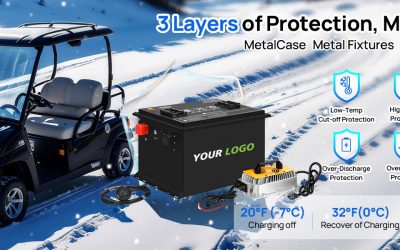
Prevents overcharge and over-discharge
-
Balances cell voltages
-
Protects against short circuits
-
Monitors temperature to avoid overheating
-
Prevents current surges when under heavy load
HHS Golf Energy LiFePO₄ batteries include advanced BMS with robust protections — ensuring far better safety and longer lifespan than cheap lithium packs lacking proper circuitry.
💡 Pro Tip: Never buy a LiFePO₄ battery without a quality BMS — it’s the heart of battery reliability.
Tip #3: Charging Matters — Always Use a LiFePO₄-Compatible Charger
Unlike lead-acid or AGM batteries, LiFePO₄ batteries require a charger designed for LiFePO₄ charging profiles. Using the wrong charger:
-
Can shorten battery life
-
May disable the internal BMS
-
Could cause imbalance or cell damage
Charging Best Practices
✔ Use a proper LiFePO₄ charger with correct voltage cutoffs
✔ Avoid using old lead-acid chargers
✔ Look for chargers with stage charging and automatic cutoff
Most HHS Golf Energy battery kits either include a compatible charger or clearly specify the right charger to use — eliminating guesswork and protecting your investment.
Tip #4: LiFePO₄ Batteries Last Way Longer Than Lead-Acid
One of the biggest advantages of LiFePO₄ technology is cycle life — how many full charge/discharge cycles a battery can handle before noticeable capacity loss.
Typical Lifespans Compared
| Battery Type | Typical Cycle Life | Approx Years of Use |
|---|---|---|
| Lead-Acid | 300–500 | 2–4 years |
| LiFePO₄ | 3000–5000+ | 8–12+ years |
This means a properly used LiFePO₄ pack from a reputable manufacturer like HHS Golf Energy will last 5–10× longer than a lead-acid pack — significantly lowering the total cost of ownership.
⚡ Tip: Even after a few thousand cycles, most LiFePO₄ batteries retain 70–80% of their original capacity, whereas lead-acid batteries degrade much faster.
Tip #5: How Installation and Maintenance Impact Performance
LiFePO₄ batteries are nearly maintenance-free, but smart installation and care still make a big difference in long-term performance.
Installation Best Practices
✔ Ensure correct polarity (positive/negative)
✔ Use the proper gauge wiring (thicker is better)
✔ Mount batteries firmly to avoid vibration damage
✔ Charge fully before first use
Usage Tips
✔ Avoid deep discharge below recommended voltages
✔ Store at ~40–60% charge if unused for long periods
✔ Check wiring and terminals periodically
✔ Keep the battery environment clean, dry, and vibration-free
Because LiFePO₄ is lightweight, many golf cart owners find installation easier than heavy lead-acid batteries — but careful wiring and correct charger setup are still key.
HHS Golf Energy LiFePO₄ Batteries — Why They Stand Out
Based on these five tips, here’s why HHS Golf Energy LiFePO₄ battery packs are increasingly chosen for golf cart upgrades:
🔹 Strong Usable Capacity
Their 51.2V 105Ah and higher packs deliver real usable range — excellent for both golf course use and neighborhood cruising.
🔹 Smart, Safe Battery Management
Built-in BMS keeps each cell balanced and protected, maximizing safety and battery longevity.
🔹 Designed for Easy DIY Installation
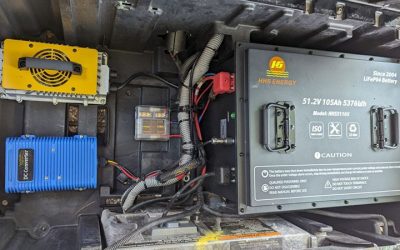
Drop-in packs with clear wiring make upgrades straightforward for hobbyists and pros alike.
🔹 Compatibility for Road-Legal Upgrades
Stable voltage output supports headlights, turn signals, and accessories needed in low-speed vehicles (LSVs).
🔹 Built to Last
Thousand-cycle life and robust construction make these batteries a long-term investment in cart performance.
Bring It All Together: The LiFePO₄ Advantage
Whether you’re replacing an aging lead-acid bank or upgrading a cart to lithium power for the first time, knowing what to look for makes all the difference. Pay attention to:
⭐ Usable capacity
⭐ BMS quality
⭐ Charger compatibility
⭐ Cycle life
⭐ Installation & maintenance
And when you choose a trusted LiFePO₄ solution — such as from HHS Golf Energy — you combine performance, safety, and longevity in a single upgrade.
LiFePO₄ isn’t just the next step — it’s the best choice for golf cart batteries in 2025 and beyond.