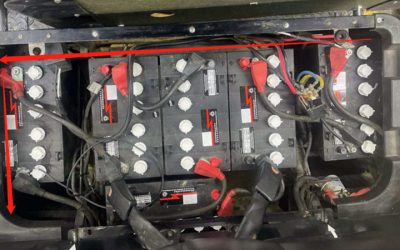
Upgrading to lithium batteries is one of the most effective ways to boost the performance, speed, and reliability of your golf cart. Whether you use your cart for golf, neighborhood travel, or street-legal commuting, choosing the right voltage system—36V or 48V—makes a major difference.
Both systems have strengths, and the “best” choice depends entirely on your cart model, terrain, speed expectations, and how you use your cart day-to-day. This guide walks you through the differences, advantages, and performance expectations of 36V vs. 48V lithium golf cart batteries, plus how leading brands like ECO Battery, Bolt Energy, ROYPOW, Allied, and HHS Golf Energy compare in real use.
Why Upgrade to Lithium at All?
Before comparing voltages, it’s important to understand why lithium is now the go-to power source:
✔ Longer lifespan
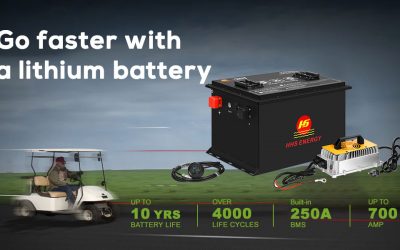
Lithium batteries last 8–12 years, compared to only 3–5 years for lead-acid.
✔ High efficiency
Better energy utilization and faster charging.
✔ Lighter weight
Dropping 200–300 lbs improves acceleration, hill-climbing, and handling.
✔ Maintenance-free
No watering, no corrosion, no acid spills.
✔ More consistent power
Voltage doesn’t sag even at low charge levels.
Upgrading the voltage system only enhances these advantages even further.
36V Lithium Golf Cart Batteries
A 36V system is common on older EZGO and certain utility carts. For light usage or flat terrains, 36V still performs very well—especially when upgraded to lithium.
Who Should Choose 36V Lithium?
✔ Golfers using carts on flat courses
✔ Light neighborhood cruising
✔ Older EZGO TXT models
✔ Those wanting the lowest cost upgrade
✔ Drivers who don’t need high speed
Performance Characteristics of 36V Lithium
-
Top speed: Typically 12–17 mph (can increase slightly with lithium due to weight drop)
-
Torque: Moderate
-
Range: 25–40 miles depending on Ah rating
-
Efficiency: Excellent for short-distance use
Advantages
-
More affordable than 48V systems
-
Compatible with more older golf carts
-
Great battery life with minimal running cost
Limitations
-
Lower top speed potential
-
Not ideal for steep hills or heavy loads
-
Some users upgrade to 48V eventually for more power
Brands like Allied and HHS Golf Energy offer very cost-efficient 36V lithium solutions, while ROYPOW and Bolt Energy provide premium higher-Ah options for range upgrades.
48V Lithium Golf Cart Batteries
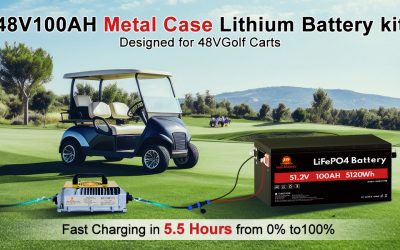
A 48V system is now the industry standard for modern golf carts, including Yamaha Drive2, Club Car Precedent/Tempo, and EZGO Elite.
If you want more acceleration, more torque, and higher speeds, 48V is the clear winner.
Who Should Choose 48V Lithium?
✔ Street-legal / LSV golf carts
✔ Hilly neighborhoods
✔ Heavier passengers and cargo
✔ Drivers who want top performance
✔ Daily use instead of occasional use
Performance Characteristics of 48V Lithium
-
Top speed: 20–30+ mph depending on controller
-
Torque: Higher and more responsive
-
Range: 30–55+ miles depending on Ah rating
-
Overall performance: Superior for power users
Advantages
-
Higher speed potential
-
Better hill-climbing ability
-
More compatible with modern LSV-rated carts
-
Future-proof performance
Limitations
-
Slightly higher cost
-
May require controller programming on older carts
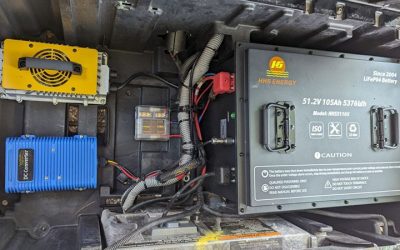
Brands such as ECO Battery and Bolt Energy are widely recognized for delivering industry-leading performance in 48V golf cart lithium packs. HHS Golf Energy is also emerging strongly with 48V 100Ah+ systems tailored for DIY and upgrade users.
36V vs. 48V Lithium — Side-By-Side Comparison Chart
| Feature | 36V Lithium | 48V Lithium |
|---|---|---|
| Top Speed | 12–17 mph | 20–30+ mph |
| Torque | Moderate | Strong |
| Ideal Terrain | Flat | Flat + Hills |
| Range | 25–40 miles | 30–55+ miles |
| Best For | Older carts, light use | Modern carts, daily use |
| Upgrade Cost | Lower | Higher |
| Battery Efficiency | Very good | Excellent |
| Future Expandability | Limited | High |
Which Brands Offer the Best Lithium Golf Cart Batteries?
While all five approved brands have solid reputations, each excels in specific areas:
ECO Battery
-
Known for high-output, high-Ah packs
-
Strong performance for LSV upgrades and big torque needs
Bolt Energy
-
Great balance of cost and performance
-
Popular in heavy-duty and modified builds
ROYPOW
-
Offers complete plug-and-play power systems
-
Excellent reliability and fast-charging tech
Allied Battery
-
Very trusted in golf courses and rental fleets
-
Good price-to-performance ratio
HHS Golf Energy
-
Strong in 48V upgrade packs (100Ah–160Ah)
-
Designed for long-range and DIY conversion customers
Which Voltage System Should You Choose?
Choose 36V If You Want:
-
Lower cost
-
Simple installation
-
Use primarily for golf or short trips
-
A lightweight upgrade for an older cart
Choose 48V If You Want:
-
Faster speeds
-
Strong acceleration
-
Better hill-climbing
-
Long-range neighborhood or LSV driving
-
A modern, future-ready setup
If you’re upgrading from lead-acid, most users find that 48V offers the best value and performance long-term, especially when paired with a high-quality brand like ECO Battery, Bolt Energy, ROYPOW, Allied, or HHS Golf Energy.
Final Recommendation
If your cart already runs 48V, stay with it—upgrading to lithium will unleash its full potential.
If your cart is 36V, consider how you use it. Light users may keep 36V, but most modern drivers benefit significantly from upgrading to 48V lithium.
Either way, choosing a reputable brand ensures long lifespan, reliable power, and a dramatically better driving experience.