Lithium Golf Cart Battery Manufacturer, Suppliers, Factory > News > Golf Cart Lithium Battery Blog > Buying Guides & Recommendations > How Much Are Golf Cart Batteries in 2024? Your Comprehensive Guide
How Much Are Golf Cart Batteries in 2024? Your Comprehensive Guide
Complete Pricing Breakdown, Comparison Charts, and Smart Buying Advice
Introduction: Navigating the Golf Cart Battery Market in 2024
If you’re a golf cart owner—whether for cruising the neighborhood, maintaining a golf course, or managing a commercial fleet—one question inevitably arises: How much are golf cart batteries going to cost me?
The answer, as with most things, is: It depends.
Battery prices in 2024 reflect a market in transition. Traditional lead-acid batteries remain widely available at relatively affordable prices, while lithium-ion technology has matured into a compelling—though more expensive—alternative. Between these poles lies a spectrum of options, each with distinct price points, performance characteristics, and long-term value propositions.
This comprehensive guide breaks down everything you need to know about golf cart battery pricing in 2024. We’ll explore:
-
Current price ranges for all battery types and voltages
-
Factors that influence pricing
-
Brand-by-brand comparisons
-
Hidden costs beyond the batteries themselves
-
Long-term value calculations to help you decide
-
Expert tips for getting the best deal
Whether you’re replacing worn-out batteries or upgrading to modern lithium technology, this guide will help you make an informed, confident decision.
Part 1: Golf Cart Battery Basics – Understanding What You’re Buying
Before diving into prices, it’s essential to understand the fundamental differences between battery types. Your choice here dramatically affects both upfront cost and long-term value.
1.1 Battery Chemistry Overview
| Battery Type | Chemistry | Typical Lifespan | Maintenance | Price Range |
|---|---|---|---|---|
| Flooded Lead-Acid | Lead plates, sulfuric acid | 3–5 years | High (watering, cleaning) | $ – $$ |
| AGM Lead-Acid | Absorbed glass mat | 4–6 years | Low | $$ – $$$ |
| Gel Lead-Acid | Gelled electrolyte | 4–6 years | Low | $$ – $$$ |
| Lithium LiFePO₄ | Lithium iron phosphate | 8–12+ years | None | $$$$ |
1.2 Voltage Configurations
Golf carts typically use one of three voltage systems:
| System Voltage | Typical Configuration | Common Applications |
|---|---|---|
| 36V | Six 6V batteries | Older carts, basic models |
| 48V | Six 8V batteries or four 12V batteries | Modern carts, most common |
| 72V | Six 12V batteries or specialized packs | High-performance, modified carts |
Your cart’s voltage determines how many batteries you need and, consequently, your total cost .
Part 2: Lead-Acid Battery Prices in 2024
Lead-acid batteries remain the most common choice for golf cart owners, primarily due to their lower upfront cost. Here’s what you can expect to pay in 2024.
2.1 Individual Battery Prices by Voltage
| Voltage | Price Range (per battery) | Typical Applications |
|---|---|---|
| 6-Volt | $90 – $150 | 36V systems (six required) |
| 8-Volt | $110 – $200 | 48V systems (six required) |
| 12-Volt | $130 – $300 | 48V systems (four required) |
Price Factors for Lead-Acid:
-
Brand reputation: Premium brands command higher prices
-
Capacity (Ah): Higher amp-hour ratings cost more
-
Construction: Heavy-duty commercial grades cost more than consumer grades
-
Region: Prices vary by location and dealer
2.2 Complete Set Prices by Voltage
| System Voltage | Batteries Required | Total Set Price (Economy) | Total Set Price (Premium) |
|---|---|---|---|
| 36V | Six 6V batteries | $540 – $720 | $720 – $900 |
| 48V (8V config) | Six 8V batteries | $660 – $900 | $900 – $1,200 |
| 48V (12V config) | Four 12V batteries | $520 – $720 | $720 – $1,200 |
2.3 Premium Lead-Acid Brand Pricing
| Brand | Model | Voltage | Typical Price | Known For |
|---|---|---|---|---|
| Trojan | T-105 | 6V | $140 – $170 | Industry standard, excellent reliability |
| Trojan | T-875 | 8V | $160 – $200 | High capacity, long life |
| US Battery | US8VGC | 8V | $180 – $210 | Heavy-duty construction |
| Interstate | GC2 | 6V | $130 – $160 | Wide availability |
| Crown | CR-165 | 6V | $120 – $150 | Good value option |
| Duracell (Deka) | GC2 | 6V | $130 – $160 | Sam’s Club/Costco available |
Expert Insight: Trojan and US Battery command premium prices because of their proven track records for longevity and reliability. For heavy users, the extra cost often pays off in extended service life .
2.4 Where to Buy Lead-Acid Batteries
| Source | Pros | Cons | Typical Pricing |
|---|---|---|---|
| Golf Cart Dealers | Expert advice, installation available | Higher prices | Premium |
| Battery Specialty Stores | Knowledgeable staff, wide selection | Limited locations | Mid-range |
| Big Box Retailers | Convenient, competitive pricing | Limited selection, less expertise | Competitive |
| Online Retailers | Wide selection, home delivery | Shipping costs, core return hassle | Competitive |
| Warehouse Clubs | Good prices, easy returns | Limited models | Discounted |
Part 3: Lithium-Ion Battery Prices in 2024
Lithium-ion technology has revolutionized the golf cart industry, offering dramatic performance improvements at a higher initial cost.
3.1 Understanding Lithium Pricing
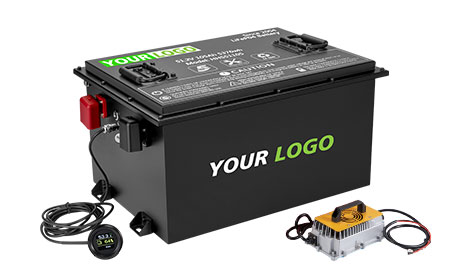
Lithium batteries are typically sold as complete systems rather than individual units. The price reflects:
-
The battery pack itself (cells, casing, BMS)
-
Integrated Battery Management System (sophisticated electronics)
-
Charger (often included or sold separately)
-
Warranty (typically 5–11 years)
3.2 Lithium Battery Price Ranges
| Capacity | Price Range (Single Pack) | Best For |
|---|---|---|
| 48V 60–70Ah | $1,500 – $2,200 | Light use, flat terrain |
| 48V 100–105Ah | $2,000 – $3,000 | Most users, standard range |
| 48V 150–160Ah | $2,800 – $4,000 | Extended range, commercial |
| 48V 200Ah+ | $3,500 – $5,500 | Maximum range, fleet use |
3.3 Popular Lithium Brand Pricing
| Brand | Model | Capacity | Typical Price | Notable Features |
|---|---|---|---|---|
| Allied | 48V 105Ah Commercial | 105Ah | $2,400 – $2,800 | Active balancer, steel case |
| ECO Battery | 48V 105Ah | 105Ah | $2,200 – $2,700 | Lightweight, compact |
| BOLT Energy | 48V 105Ah | 105Ah | $2,300 – $2,800 | High-output cells |
| RoyPow | 48V 105Ah | 105Ah | $2,000 – $2,500 | Popular value option |
| Vatrer | 48V 105Ah | 105Ah | $1,800 – $2,200 | Budget-friendly |
| Dakota Lithium | 48V 96Ah | 96Ah | $2,500 – $3,000 | Excellent warranty |
3.4 OEM vs. Brand Name Pricing
An important dynamic in the lithium market is the relationship between manufacturers and brands.
How It Works:
Many well-known brands source their batteries from specialized manufacturers, then add:
-
Their own branding and packaging
-
Custom BMS programming
-
Marketing and customer support
-
Warranty administration
Result: The same underlying battery technology may be available for less when purchased directly from manufacturers or their distributors .
| Source Type | Example | Typical Price | Pros | Cons |
|---|---|---|---|---|
| Major Brand | Allied, ECO, BOLT | $2,200 – $3,000 | Strong support, brand trust | Highest prices |
| Direct OEM | HHS ENERGY | $800 – $1,300 | Lowest prices, direct relationship | Less consumer awareness |
| Value Brand | Vatrer, Chins | $1,500 – $2,200 | Good specs, lower price | Variable support |
Smart Buyer Tip: If you’re comfortable with less brand recognition and want the best price, purchasing directly from established manufacturers like HHS ENERGY can save 30–50% compared to major brands—often for virtually identical products .
Part 4: Complete System Costs – What You Really Need
When budgeting for new golf cart batteries, consider the full system cost, not just the batteries themselves.
4.1 Lead-Acid System Components
| Component | Typical Cost | Required? |
|---|---|---|
| Batteries (set) | $500 – $1,200 | ✓ Required |
| Cables | $50 – $150 | Maybe (if old cables worn) |
| Terminal protectors | $10 – $20 | Recommended |
| Hydrometer | $10 – $15 | Recommended |
| Distilled water | $5 – $10/year | Required |
| Battery maintainer | $50 – $150 | Recommended for storage |
| Total Initial Investment | $600 – $1,500 |
4.2 Lithium System Components
| Component | Typical Cost | Required? |
|---|---|---|
| Lithium battery pack | $1,500 – $4,500 | ✓ Required |
| Lithium charger | $200 – $500 | ✓ Required |
| DC-DC converter | $50 – $150 | If cart has 12V accessories |
| Mounting hardware | $20 – $50 | Sometimes included |
| Cables (if needed) | $50 – $150 | If existing cables incompatible |
| Total Initial Investment | $1,800 – $5,500 |
4.3 Installation Costs
| Installation Type | Typical Cost | Best For |
|---|---|---|
| DIY Installation | $0 (your time) | Mechanically inclined owners |
| Golf Cart Dealer | $100 – $200 | Convenience, warranty protection |
| Mobile Technician | $150 – $300 | On-site service |
DIY Reality Check: Most mechanically inclined owners can install a complete battery set in 2–4 hours with basic tools .
Part 5: Hidden Costs and Long-Term Expenses
The purchase price is just the beginning. Understanding long-term costs is essential for making an informed decision.
5.1 Lead-Acid Ongoing Costs
| Expense | Annual Cost | 5-Year Total |
|---|---|---|
| Battery replacement | $0 (until replacement) | $500 – $1,200 (year 3–5) |
| Water (distilled) | $5 – $10 | $25 – $50 |
| Terminal cleaning supplies | $10 – $20 | $50 – $100 |
| Charging electricity | $30 – $60 | $150 – $300 |
| Labor (your time) | 10–20 hours | 50–100 hours |
| Estimated 5-Year Total | $300 – $600 + 1 replacement | $800 – $1,900 |
5.2 Lithium Ongoing Costs
| Expense | Annual Cost | 5-Year Total |
|---|---|---|
| Battery replacement | $0 | $0 |
| Maintenance supplies | $0 – $10 | $0 – $50 |
| Charging electricity | $20 – $50 | $100 – $250 |
| Labor (your time) | 1–2 hours | 5–10 hours |
| Estimated 5-Year Total | $20 – $60 | $100 – $300 |
5.3 Total Cost of Ownership Comparison
| Cost Category | Lead-Acid (5 Years) | Lithium (5 Years) | Lithium Advantage |
|---|---|---|---|
| Initial purchase | $600 – $1,500 | $1,800 – $5,500 | Lead-Acid lower upfront |
| Replacement batteries | $500 – $1,200 | $0 | Lithium saves $500–$1,200 |
| Maintenance | $75 – $150 | $0 – $50 | Lithium saves $75–$100 |
| Electricity | $150 – $300 | $100 – $250 | Lithium saves ~$50 |
| Total 5-Year Cost | $1,325 – $3,150 | $1,900 – $5,800 | Break-even at 2–4 years |
The Break-Even Point:
For most regular users, lithium pays for itself within 2–4 years through eliminated battery replacements and reduced maintenance .
Part 6: Factors That Influence Battery Prices
6.1 Capacity (Amp-Hours)
Higher capacity batteries cost more but deliver longer range.
| Capacity | Price Impact | Value Proposition |
|---|---|---|
| Standard (100–105Ah) | Baseline | Good for most users |
| +20% capacity | +15–25% price | Worth it for heavy users |
| +50% capacity | +40–60% price | Consider if range is critical |
6.2 Brand Reputation
| Brand Tier | Examples | Price Premium | Justification |
|---|---|---|---|
| Premium | Trojan, US Battery, Allied | 20–40% | Proven longevity, support |
| Mid-Range | Crown, Interstate, ECO | Baseline | Good balance |
| Value | Vatrer, Chins, HHS | 10–30% less | Best price, fewer frills |
6.3 Battery Management System (BMS) Quality
For lithium batteries, the BMS is critical. Better BMS features command higher prices:
| BMS Feature | Price Impact | Benefit |
|---|---|---|
| Basic protection | Included | Safety only |
| Cell balancing | +5–10% | Longer life |
| Bluetooth monitoring | +10–20% | Convenience, diagnostics |
| Low-temp protection | +5–15% | Cold climate safety |
| Active balancing | +15–25% | Optimal cell health |
6.4 Physical Construction
| Feature | Price Impact | Benefit |
|---|---|---|
| Plastic case | Baseline | Lightweight |
| Metal case | +10–20% | Better heat dissipation, durability |
| IP rating | +5–15% | Weather resistance |
| Integrated handle | +$10–30 | Easier carrying |
6.5 Warranty Length
| Warranty | Price Impact | Confidence Level |
|---|---|---|
| 1 year | Baseline | Low manufacturer confidence |
| 2–3 years | +5–10% | Moderate confidence |
| 5 years | +15–25% | High confidence |
| 8–11 years | +25–40% | Maximum confidence |
Part 7: Regional Price Variations
Battery prices vary significantly by location due to shipping costs, local competition, and regional demand.
7.1 United States Price Variations
| Region | Typical Price vs. National Average | Notes |
|---|---|---|
| Southeast | -5% to +5% | High golf cart density, competitive |
| Southwest | +5% to +15% | Higher shipping costs |
| Northeast | +10% to +20% | Lower cart density, higher overhead |
| West Coast | +5% to +15% | Environmental fees, shipping |
| Midwest | -5% to +5% | Moderate competition |
7.2 International Pricing
| Country/Region | Price Factor | Notes |
|---|---|---|
| Canada | 1.1–1.3× US | Exchange rate, shipping |
| UK/Europe | 1.3–1.6× US | VAT, import duties |
| Australia | 1.2–1.4× US | Shipping distance |
| Caribbean | 1.3–1.8× US | Island shipping costs |
Part 8: When to Buy – Seasonal Pricing Patterns
Timing your purchase can save money.
8.1 Best Times to Buy
| Season | Price Trend | Reason |
|---|---|---|
| Fall (Sept–Nov) | Lowest prices | End of peak season, dealers clear inventory |
| Winter (Dec–Feb) | Moderate | Slow season, some sales |
| Spring (Mar–May) | Rising prices | Peak season approaching |
| Summer (Jun–Aug) | Highest prices | Maximum demand |
8.2 Holiday Sales
Watch for discounts around:
-
Memorial Day (May)
-
Fourth of July (July)
-
Labor Day (September)
-
Black Friday/Cyber Monday (November)
-
End-of-year clearance (December)
Part 9: Making the Right Choice – Decision Framework
9.1 Questions to Ask Yourself
Usage Pattern:
-
How often do you use your cart? (Daily, weekly, occasionally?)
-
What terrain do you typically drive on? (Flat, hilly, mixed?)
-
How far do you typically drive per charge?
Budget Considerations:
-
What’s your maximum upfront budget?
-
Do you prioritize lowest upfront cost or lowest long-term cost?
-
How long do you plan to keep the cart?
Practical Factors:
-
Are you comfortable with battery maintenance?
-
Do you have facilities for proper lead-acid care?
-
Does your climate require cold-weather charging considerations?
9.2 Decision Matrix
| Your Situation | Recommended Battery Type | Rationale |
|---|---|---|
| Frequent user, hilly terrain, long drives | Lithium (100–160Ah) | Performance and longevity justify cost |
| Moderate user, flat terrain, 3–5 years ownership | Premium lead-acid | Good balance of cost and life |
| Occasional user, tight budget | Economy lead-acid | Lowest entry cost |
| Commercial fleet | Lithium (fleet pricing) | Fast charging, minimal downtime |
| Cold climate, no heated storage | AGM lead-acid or heated lithium | Avoid lithium charging restrictions |
| Planning to sell within 2 years | Quality lead-acid | Won’t recoup lithium premium |
9.3 Expert Tips for Best Value
-
Get multiple quotes – Prices vary significantly between dealers
-
Consider total cost, not just upfront – Lithium often saves money long-term
-
Check warranties carefully – Understand what’s covered and for how long
-
Buy from reputable sources – Avoid deeply discounted “too good to be true” deals
-
Ask about core returns – Returning old batteries can save $10–$30 each
-
Consider group buys – If multiple carts need batteries, negotiate fleet pricing
Part 10: Frequently Asked Questions
10.1 How often do golf cart batteries need replacement?
Lead-acid: Every 3–5 years with proper maintenance
Lithium: Every 8–12+ years
10.2 Can I mix old and new batteries?
No. Never mix batteries of different ages, types, or capacities. This causes rapid failure of the entire set .
10.3 Are expensive brands worth it?
For lead-acid, premium brands like Trojan often deliver 20–30% longer life, justifying their higher cost for heavy users. For lithium, many brands use similar cells—you’re often paying for BMS quality, support, and warranty .
10.4 How do I know what voltage my cart needs?
Check your current battery configuration. Count the batteries and note their voltage. Multiply: Number of batteries × Voltage per battery = System voltage .
10.5 Can I install batteries myself?
Yes, if you’re mechanically inclined. Follow safety procedures, disconnect negative first, and ensure proper torque on connections .
10.6 What’s the best lithium battery brand?
“Best” depends on your priorities:
-
Best support: Allied, ECO, Dakota Lithium
-
Best value: HHS ENERGY, Vatrer
-
Best features: Look for Bluetooth monitoring, metal cases, active balancing
10.7 How much do used golf cart batteries cost?
Used batteries are available for $30–$80 each, but this is strongly discouraged. You have no idea of their history, and they may fail quickly .
Conclusion: Investing Wisely in Your Golf Cart’s Power
Golf cart battery prices in 2024 reflect a market with more choices than ever before. From traditional lead-acid batteries starting around $500 for a complete set to premium lithium systems exceeding $5,000, there’s an option for every budget and use case.
Key Takeaways:
-
Lead-acid batteries offer the lowest entry price ($500–$1,200) but require regular maintenance and replacement every 3–5 years
-
Lithium batteries demand higher upfront investment ($1,800–$5,500) but deliver superior performance, zero maintenance, and 8–12+ year lifespan
-
Total cost of ownership often favors lithium for regular users, with break-even typically occurring within 2–4 years
-
Brand choice matters—premium names offer proven reliability, while direct-from-manufacturer options like HHS ENERGY can save 30–50%
-
Hidden costs (installation, cables, maintenance) add 10–30% to your total investment
The Bottom Line:
The best battery for you isn’t necessarily the cheapest or the most expensive—it’s the one that aligns with your usage patterns, budget, and long-term plans. A weekend golfer with a tight budget may be perfectly served by quality lead-acid batteries. A daily driver who values performance and hates maintenance will find lithium’s premium price well worth it.
Whichever path you choose, understanding the true costs—both upfront and over time—ensures you’ll make a decision you’re happy with for years to come.
Quick Reference: 2024 Price Summary
| Battery Type | Typical Price Range | Lifespan | Best For |
|---|---|---|---|
| 6V Lead-Acid (each) | $90 – $150 | 3–5 years | 36V systems |
| 8V Lead-Acid (each) | $110 – $200 | 3–5 years | 48V systems |
| 12V Lead-Acid (each) | $130 – $300 | 3–5 years | 48V systems |
| 36V Lead-Acid Set | $540 – $900 | 3–5 years | Budget buyers |
| 48V Lead-Acid Set | $520 – $1,200 | 3–5 years | Budget buyers |
| 48V Lithium (105Ah) | $1,500 – $3,000 | 8–12+ years | Most users |
| 48V Lithium (160Ah) | $2,500 – $4,500 | 8–12+ years | Heavy users |
Ready to purchase new golf cart batteries? Contact our team for personalized recommendations based on your specific cart, usage patterns, and budget. We’ll help you find the perfect power solution.